
Tax · Individuals, families & business owners
Your 2026 tax-year preparation plan for filing in 2027
A practical plan for the records you can organize now, the forms that arrive after year-end, and the changes your preparer needs to know.
Key takeaways
- Tax year 2026 generally means a return prepared and filed in 2027.
- Preparation can begin before all year-end forms arrive.
- A clear list of missing items is more useful than an incomplete folder marked complete.
Start with a complete inventory
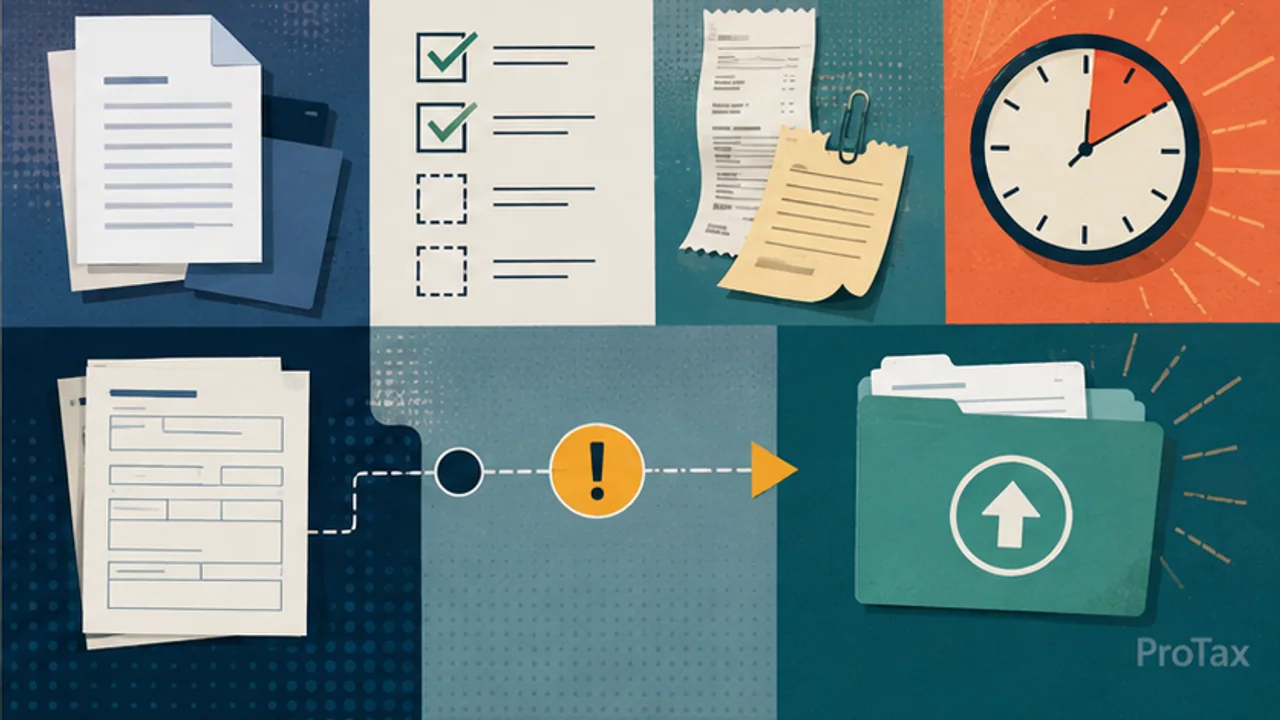
Create a 2026 checklist with separate entries for each employer, bank, investment account, retirement payer, business, and rental property. Use last year’s return as a memory aid, then add new sources and remove items that no longer apply. Mark each item expected, received, or not applicable. This makes the remaining work visible without treating a missing document as zero income.
Gather what is available now
Save current records for business activity, estimated payments, childcare, education, charitable giving, property transactions, and relevant health coverage. Keep the amount, date, supporting document, and responsible person together. The IRS document guide lists common forms and supporting records; your actual list depends on your circumstances.
Include records for 2026 provisions
Keep tip logs and qualified-overtime support with your complete W-2s and other income statements. If relevant, gather vehicle-loan interest statements and purchase details, information for the enhanced senior deduction, and cash charitable-contribution receipts even when you expect to take the standard deduction. These records help your preparer test eligibility; they do not establish a deduction by themselves.
Plan for forms that arrive after year-end
Many information returns arrive in January or February. Keep their checklist entries open until the applicable statements arrive and have been reviewed. Add corrected forms to the same record and clearly identify the replacement. Avoid submitting several nearly identical versions with no explanation of which one is current.
Explain what changed
Give your preparer a short note about new dependents, address or state moves, marriage or divorce, new businesses, property sales, and other significant changes. Keep sensitive details and documents in the designated portal. For calendar-year individuals who make federal estimated payments, January 15, 2027 is generally the fourth 2026 installment date; special rules and relief can apply.
Practical next steps
- Start a separate 2026 folder and list every expected income form.
- Write down household, business, property, and state changes.
- Download the 2026 checklist and record missing items without guessing.
This article provides general educational information. Eligibility, filing requirements, and results depend on your facts and the applicable federal, state, and local rules. Use the linked official sources and discuss your situation with your tax professional.