
Business · Business owners & CPA firms
The tax record map: what to keep, why, and when to review it
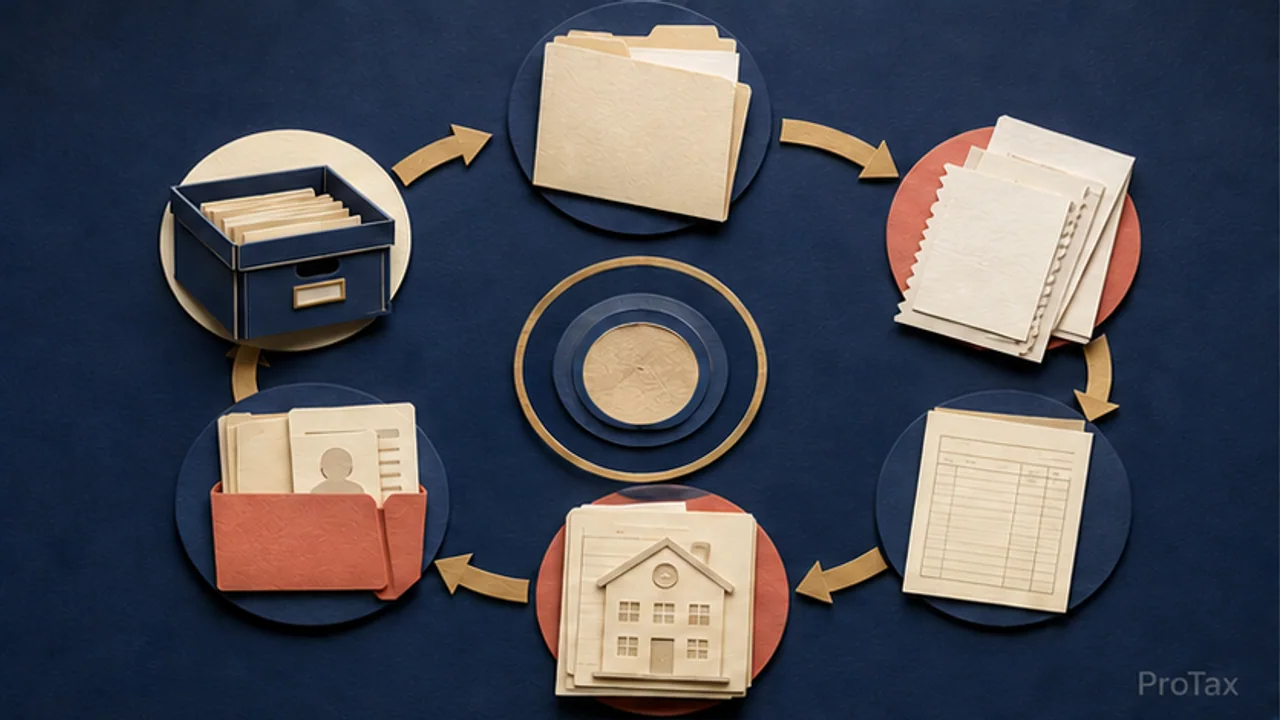
Replace one overloaded archive with a record lifecycle that connects each transaction to evidence, a return, a retention decision, and secure disposal.
From the archive. The original publication date is preserved; the review date shows the most recent editorial check. Confirm current requirements at the linked sources.
Key takeaways
- There is no single retention period for every tax record.
- Property, payroll, and filed-return records need separate treatment.
- A documented review-and-disposal process is safer than an overflowing shared drive.
Start with the transaction, not the folder
A useful record system follows the story of the business. Bank and card activity should connect to invoices, receipts, contracts, payroll support, asset records, or owner documentation. Organize that evidence by entity and period, then reconcile it to the books. A folder called “tax stuff” cannot show what supports a number, which business owns it, or whether something is still missing.
Let the reason for the record set the retention decision
The IRS generally ties retention to the period during which a return can be amended or additional tax can be assessed, but special facts can create longer periods. Employment-tax records have their own rule, and filed returns remain useful for later filings and amendments. Labeling every file “three years” can therefore destroy support too early. Record the return, tax period, filing date, payment date, and the reason a longer period may apply.
Treat property and basis records as a lifecycle
Purchase documents, improvements, depreciation schedules, exchanges, and disposition records work together to establish basis and gain or loss. The relevant retention period may extend beyond the year of purchase and continue until after disposition. Keep the chain intact when property changes form through an exchange or reorganization, and make sure the final disposition work area links back to the original evidence.
Review before disposal
At least annually, identify records that are no longer needed for an active return, tax limitation period, property history, audit, lender, insurer, grant, or state requirement. Require an owner to approve disposal, preserve a short log, and destroy sensitive records securely. The goal is not to keep everything forever; it is to make a defensible decision without guessing.
Practical next steps
- Map every material account to its normal supporting record.
- Keep filed returns and preserve basis records through the property lifecycle.
- Set an annual review date instead of deleting records on autopilot.
This article provides general educational information. Eligibility, filing requirements, and results depend on your facts and the applicable federal, state, and local rules. Use the linked official sources and discuss your situation with your tax professional.